“What can I actually do to help my arthritis?”
This is usually the first question patients ask once they realise arthritis is not something they can simply ignore.
The answer is usually simpler than people expect.
The first step is not to force more movement.
The first step is to give the joint a chance to calm down.
Step 1: Calm the joint down first
For the first 1–2 weeks, rest is the utmost priority.
It does not mean complete bed rest.
It means significantly reduce unnecessary stress on the irritated joint so inflammation can settle.
Rest means:
The goal is simple. The goal is to find ways to move with minimal irritation, not push through pain.
During this phase do not gym, no “light exercise” routines that continue irritating the joint. Do not try to do excessive stretching or movements to ‘restore’ function back to the arthritic joint, they come in after inflammation calms down.
Step 2: Rebuild comfortable movement
Once the joint settles, the next step is not heavy strengthening.
The first goal is to help the body get over the fear of pain. After arthritis flares, many patients become guarded, stiff and hesitant to move the joint.
Patients often develop antalgic movements. It is where the body moves in a way that is not normal and often biomechanically unsound, but minimises the pain being felt by the patient. Examples include leaning towards one side and limping. Antalgic movements will cause overcompensation, poor mechanics and excessive loading on the opposite side
Because of all this, the first stage of rehabilitation is to help the body move comfortably again in the normal correct posture.
This begins with:
The goal is to restore confidence in the healed joint and restore normal movement.
Step 3: Reintroduce load carefully
Once movement becomes more comfortable, the next step is to rebuild load tolerance.
This is where we begin:
The goal is not just stronger muscles.
The goal is to teach the body:
Where chiropractic care fits
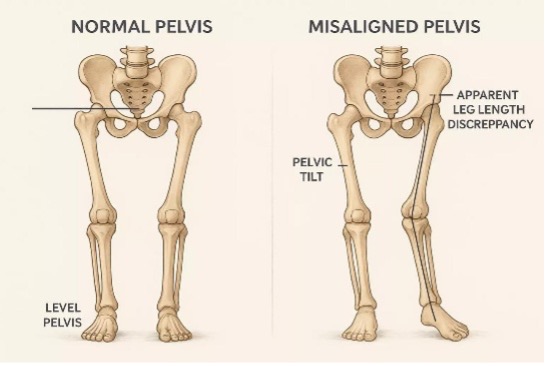
The role of chiropractic care is not simply to “treat arthritis.”
The goal is to identify why that joint keeps becoming irritated in the first place.
For chronic arthritis cases, this often means identifying:
In acute cases—especially after injury—the goal is to assess whether the injury has created:
If it has, treatment aims to reduce those mechanical problems so the joint can recover correctly and properly.
After the first few treatments
Once the initial irritation begins settling, the next goal is to make sure healing is progressing as expected.
If inflammation persists or recovers slower than expected it means that there is something that is still aggravating the joint.
Possible irritant may be:
It is the treating chiropractor’s job to assist the patient with:
Occasionally patients will feel lingering stiffness and ache around a previously injured joint. This is due to adhesion or scarring that has formed around the joint during the healing process. They cause the joint to remain restricted even after pain improves.
For these cases, supportive treatments such as soft tissue work (scrapping) and shockwave therapy can help to break them down and reduce lingering discomfort.
What long-term success looks like
Long-term success in arthritis care is not about pretending the joint was never injured.
It is about helping the body function well again.
A good long-term outcome means:
The goal is moving well, functioning well, and staying active with minimal discomfort.
To get there, arthritis treatment needs to address three things:
These are not the solution on their own. They support better movement and better long-term function.
Final takeaway
Many people are afraid of arthritis because they worry it means inevitable decline where their joints will degenerate and get out of shape. People with knee arthritis worry they’ll have to walk with a walking stick or must be bound to a wheelchair.
In the clinic, most people fear arthritis more than they care for the body once it begins. Patients often wait years before doing anything for their knee pain and tell doctors that they are scared or not being able to walk in the future.
Arthritis is common.
Fear is common.
But decline is not inevitable.
The goal is to take responsibility early.
Patients need to understand their arthritis and:
If you take care of your body properly, it can last you a lifetime.
References