Spring Cleaning or Spring Crunched? 3 Most Common Injuries that Occurs During this Season 

Top 3 most common injuries that we see in the office during spring cleaning season, what causes it and how to prevent it.

Highlights

1

2

3

As Chinese New Year approaches, many homeowners dive headfirst into deep-cleaning projects. While a tidy home is great for mental clarity, the sudden transition from a sedentary lifestyle to intense physical labour can be a recipe for spinal disaster. Research indicates that cleaning workers are a high-risk group for musculoskeletal disorders (MSDs), with prevalence rates ranging from 49% to nearly 69% in some populations.

From a chiropractic perspective, "Spring Cleaning" is a peak season for clinical visits. When you push your body through repetitive, awkward ranges of motion without proper conditioning, you risk more than just soreness — you risk body injury and structural misalignment.

Here are the top three injuries seen in the clinic during the spring surge, and how to protect your musculoskeletal health.


1. Acute Lumbar Strains (Back Sprains)

The most common complaint chiropractors see is the "sudden pop" or "locked-up" feeling in the lower back. This often occurs during heavy lifting or repetitive bending. In fact, back symptoms remain a noteworthy concern in cleaning-related tasks due to trunk twisting and forward bending.
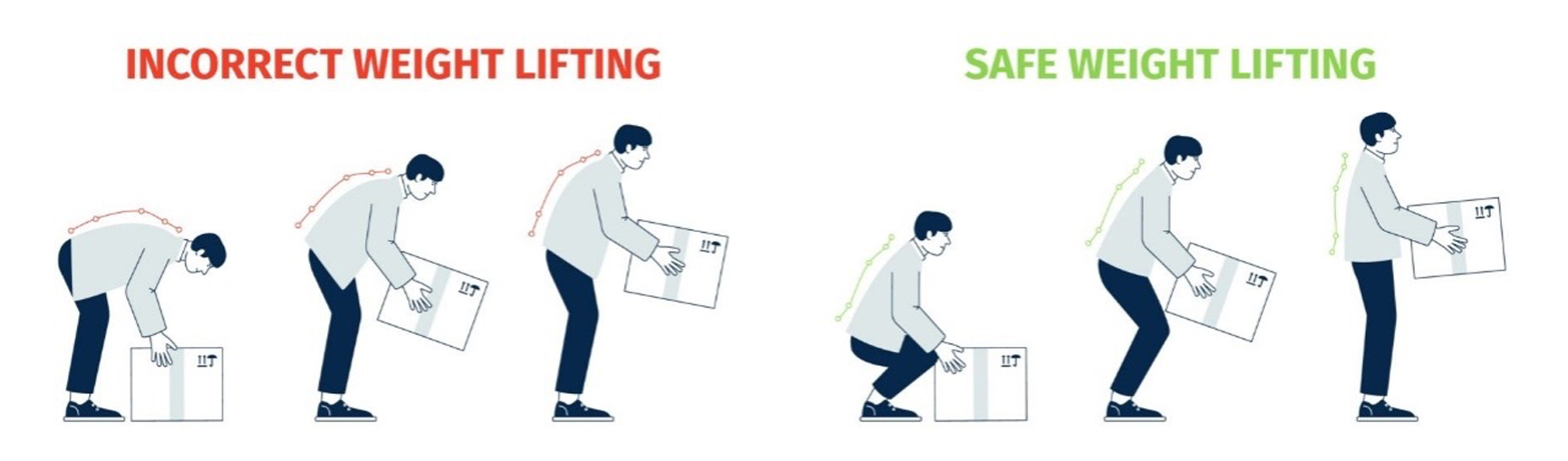
  • The Chiropractic View: Bending at the waist creates a massive lever effect on your lumbar spine. This pressure can cause the muscles to seize in a protective spasm or lead to disc issues. While research suggests the spine can safely flex during light tasks, maintaining a protective strategy during heavy lifting is compulsory to avoid excessive mechanical loading. 
  • ​The Hazard: Shifting heavy furniture or lifting overloaded storage bins. 
  • ​Safety Tip: Use a "hip hinge." Keep your spine neutral, bend at the hips and knees, and keep the load as close to your centre of gravity as possible. 

2. Repetitive Motion Overuse (The "Cleaning Shoulder")

Chiropractors frequently treat patients for "bursitis" or "impingement syndrome" in the shoulder following a weekend of scrubbing. Studies show that cleaning involves repetitive overhead reaching and forceful exertion, which significantly increases the likelihood of subacromial impingement is another common condition from spring cleaning due to overuse of the thumb from scrubbing or lifting heavy items repetitively

  • The Chiropractic View: Repetitive overhead reaching (like washing windows) can cause the humeral head to rub/jam repetitively against the acromion process, leading to inflammation and restricted joint mobility.
  • The Hazard: Hours of vigorous, one-sided scrubbing or overhead reaching. 
  • Safety Tip: Switch hands every 10 minutes to balance the load on your nervous system and musculature. If you feel a "pinch" in your shoulder or pain anywhere, stop immediately. 


3. Falls and Impact Trauma

Falls remain a leading cause of severe injuries requiring rehabilitative care. Household features like steps, stairs, and loose rugs are frequent contributors to these incidents.

  • ​The Chiropractic View: Even a minor "slip and save" (where you don't hit the ground but jerk your body to stay upright) can cause significant joint dysfunction or ligamentous sprains. These sudden jolts interfere with normal biomechanical function and can cause lingering pains and aches. 
  • ​The Hazard: Using unstable chairs as ladders or slipping on wet, soapy surfaces. 
  • Safety Tip: Ensure all surfaces are dry before moving to the next area. Use a stable ladder and avoid "over-reaching," which shifts your centre of mass outside your base of support.


Preventative Care Checklist 

Task Chiro-Approved Modification 
Vacuuming Move your feet in a fencer’s stance; don't just reach with your arm.
Scrubbing Floors  Use a long-handled brush to avoid prolonged kneeling and slouching (Frontiers, 2025).
Decluttering Sort items on a table at waist height to avoid "ground-to-overhead" lifting

​The Bottom Line: Your spine is the switchboard for your entire body. Treat your cleaning day like an athletic event: hydrate, take frequent breaks, and listen to the "niggles" before they become injuries.​


References

Written by

Simon Shen

Chief Chiropractor

More like this

CHIROPRACTIC
Why Crossing Your Legs While Sitting Isn’t the Real Problem
CHIROPRACTIC
Exercises to Protect the Body while Lifting
CHIROPRACTIC
Lift Smarter, Not Harder: A Friendly Guide to Protecting Your Back in the Real World
CHIROPRACTIC
A Chiropractor’s Guide to Lunar New Year Cleaning
CHIROPRACTIC
Spring Cleaning or Spring Crunched? 3 Most Common Injuries that Occurs During This Season 

New Articles

Crossing our leg when we sit is something that many of us have been told is terrible for our spine but some of us can’t help but to do it sometimes. In reality, sitting in the perfect posture for a long time can be detrimental for spine as well. This article explains why crossing your leg when you sit can feel so comfortable and right and how to do it so that it won’t cause negative effects on your skeleton.

Blood sugar regulation is not just about sugar intake. TCM shows how multiple organ systems shape metabolic health.

Blood sugar isn’t just about what you eat. It’s a reflection of how your liver, gut, and stress levels communicate.